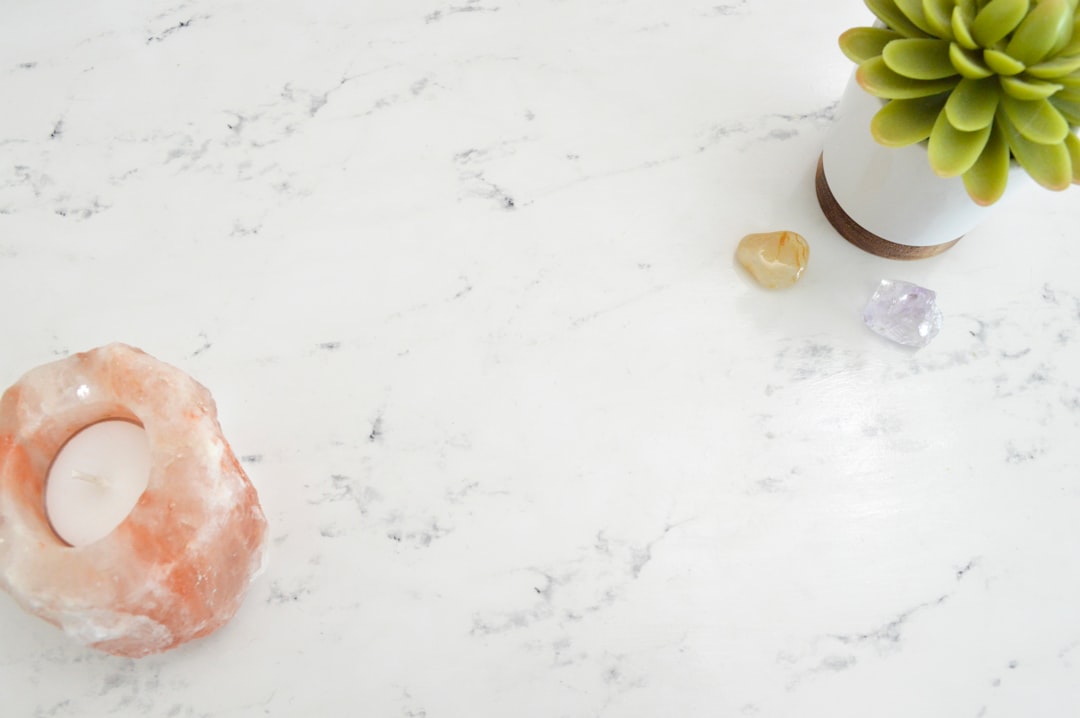
Anyone who makes popsicles, ice cream, or candy at home on a regular basis learns quickly that the recipe is only half the job. The other half is the surface you work on. Where you pour, where you temper, and where you clean up all shape how smoothly a batch runs, and they quietly decide how often something goes sideways. A counter that traps heat, stains under fruit puree, or flexes beneath a heavy mixer will work against you on every session.
This guide covers what genuinely matters in a countertop once frozen treats and sugar work are a regular part of your kitchen, which materials hold up best, and what to weigh if you decide your current surface is the thing holding your batches back.
Your Work Surface Does More Than You Think
Frozen dessert work is unusually rough on a countertop compared with everyday cooking. Picture what a single popsicle or candy session puts a surface through:
- Acidic fruit purees such as lime, strawberry, and mango sitting on the surface while molds get filled
- Boiling sugar syrup at 300 degrees Fahrenheit or hotter through the candy stages
- Heavy stand mixers and ice cream machines vibrating for 20 to 40 minutes without a break
- Sticky runs of honey, condensed milk, and chocolate that need hard wiping to clear
- Cold molds and frozen bowls pulled from the freezer and set down with a thud
Each of those leans on a different property: stain resistance, heat tolerance, rigidity, cleanability, and resistance to thermal shock. Almost no surface aces all five, which is exactly why the material is worth real thought rather than a quick pick from a showroom.
There is also a temperature angle most people miss. Sugar work and chocolate tempering behave one way on a warm surface and another on a cool one. Pastry kitchens have leaned on stone for generations for this reason: stone stays cool and draws heat out of sugar and chocolate at a steady, predictable pace. A thin laminate over particleboard does the opposite and insulates, so your caramel sets slower and less evenly.
How the Main Materials Compare
Here is how the usual options line up for a kitchen where frozen desserts and candy are regulars rather than a once-a-year project.
| Material | Heat Tolerance | Stain Resistance | Cold Work Surface | Maintenance |
|---|---|---|---|---|
| Granite | Excellent | Very good (sealed) | Excellent | Reseal every 1-3 years |
| Quartz | Good (not great) | Excellent | Very good | Almost none |
| Marble | Good | Poor (etches) | Excellent | High, seal often |
| Butcher block | Poor | Poor | Poor | Oil regularly |
| Laminate | Poor | Good | Poor | None, but fragile |
| Stainless steel | Excellent | Excellent | Good | Shows scratches |
Granite
Granite is probably the strongest all-around pick for this style of cooking. It ignores a hot pan of syrup, stays naturally cool for chocolate and dough, and once it is sealed it fends off berry and citrus stains well. It is dense enough that a stand mixer at full tilt will not creep across it. The only real upkeep is resealing every year or two, which is a twenty-minute job with a wipe-on product.
Quartz
Engineered quartz is the low-effort favorite. It never needs sealing and is almost impossible to stain, which counts for a lot when turmeric, beet, and berry colorings are in rotation. Its weak spot is heat, since the resin binder can scorch or discolor under a pot straight off the burner, so trivets are a must during candy stages. For pure popsicle and ice cream work with no stovetop sugar, quartz is close to perfect.
Marble
Marble is the classic confectionery surface, and for sugar and chocolate alone nothing feels better under your hands. It runs cool and pulls heat beautifully. Its enemy is acid. Lime juice, strawberry puree, even sparkling water will etch the polish and leave dull marks. If you love the look, a dedicated marble pastry slab set on top of a tougher counter gives you both worlds at once.
Butcher Block and Laminate
Both have a hard time here. Wood soaks up fruit stains and cannot take a hot syrup pot. Laminate resists stains fine but scorches on contact, and its particleboard core dislikes the standing moisture that comes with melting ice and dripping molds. They make perfectly good everyday kitchens, but they add friction to a serious frozen treat habit.
Stainless Steel
The commercial answer. Nearly indestructible against heat, acid, and stains, and it wipes down to sanitary in seconds. The trade-offs are noise, visible scratching over time, and a look some homeowners find cold in a home kitchen. It also warms up faster than stone, which makes it a touch worse for tempering chocolate.
Temperature and Sugar Work
If candy is part of your rotation, it pays to understand thermal mass for a minute. When you pour hot syrup onto a surface to cool it for pulling or shaping, the surface temperature and how fast it soaks up heat set your working window.
Stone like granite sits at room temperature yet feels cool because it conducts heat away from your hand quickly. That same trait pulls heat out of poured sugar at an even rate and gives you a predictable set. On an insulating surface such as wood or laminate, the bottom of the sugar stays hot while the top cools, and the texture comes out uneven.
For frozen work the logic flips but the takeaway holds. Resting a tray of freshly filled popsicle molds on cool stone for a few minutes before they hit the freezer lets the mix settle and shed air bubbles without the surface warming it back up.
Layout and Flow for Batch Days
Material is the headline call, but layout matters nearly as much once you are running full batches. A few things make a real difference:
- Long, unbroken counter runs. Filling 30 popsicle molds wants roughly four feet of clear, continuous surface. An island is ideal for it.
- Counter next to the freezer. Carrying full, unfrozen molds across the room is how spills happen. Even 18 inches of landing space beside the freezer saves cleanup.
- An overhang or raised bar. Handy for clamping a hand-crank machine or parking sheet pans while batches rotate through.
- Outlets where you actually work. Ice cream makers and immersion blenders want outlets along the back of the run, not on the far wall.
If your kitchen pushes you to stage batches on the dining table or balance molds on the stovetop, that is a layout problem far more often than a discipline problem.
When a New Countertop Earns Its Cost
A lot of home dessert makers hit a point where the surface itself is the bottleneck: a laminate top with seams swelling near the sink, a butcher block that never looks clean, or a counter thin enough to flex under the mixer. Swapping a countertop is one of the more contained kitchen upgrades out there. Cabinets stay, most of the plumbing stays, and the change in daily use shows up immediately.
The process is simpler than most people expect. A fabricator measures and templates the space, the slab is cut off site, and the install itself usually wraps in a single day. Homeowners in Central Texas have plenty of local fabricators to pick from, and a professional Round Rock countertop installation typically runs only a day or two from template to finished install once the slab is chosen. Price mostly tracks material: quartz and granite tend to land in a similar mid-range, marble runs higher, and a laminate swap is the budget route.
A few tips if you go this way:
- Ask for a leftover offcut. Fabricators often have a remnant from your slab that makes a perfect free or cheap pastry board or trivet.
- Specify an eased or small bevel edge on your main work run, since big ornate edges collect sticky drips.
- Go a little deeper if the layout allows. A 26 or 27 inch counter instead of the standard 25 gives noticeably more room to stage molds and trays.
- Mind the seam. Ask the installer to keep seams out of your main pour-and-fill zone, because a seam is exactly where syrup works its way in.
Caring for the Counter You Already Have
Upgrade or not, a handful of habits protect any surface during a dessert session:
- Wipe acidic purees within a minute or two, especially on stone and wood.
- Keep a dedicated silicone mat or half sheet pan as the landing zone for hot pots.
- Dry around molds and ice baths promptly so water never sits at a seam.
- Reach for a plastic scraper instead of metal on hardened sugar drips.
- Reseal granite or marble on schedule; a drop of water should bead up, not soak in.
Final Thoughts
The best frozen treats come out of kitchens that make the work easy. For most home makers that means a dense, cool, stain-resistant surface with enough clear length to run a whole batch without shuffling gear around. Granite and quartz cover the widest range of tasks, marble rewards dedicated sugar workers who respect its limits, and stainless is waiting if the commercial route appeals to you.
If your current counter keeps fighting you, treat it as one more tool you can change rather than a fixed wall of the kitchen. A better surface will not write your recipes for you, but it will make every batch after it noticeably smoother.
Need help in Round Rock?
Call (737) 531-0752